As organisations grapple with mounting pressure to adopt AI while struggling to demonstrate measurable returns, more than 50 of Ireland's senior marketers gathered in Dublin on Monday for The New Media Playbook, an invitation-only event hosted by Buymedia and Deloitte Digital.
Senior marketers spanned sectors including financial services, FMCG, healthcare, media, education, the public sector and charities, coming together to discuss a growing challenge for the profession. Supermetrics’ 2026 Marketing Data Report found that 80% of marketers feel under pressure to adopt AI, while just 6% have fully implemented it in their workflows. Gartner separately reports that one-third have yet to see measurable ROI from their AI investments.
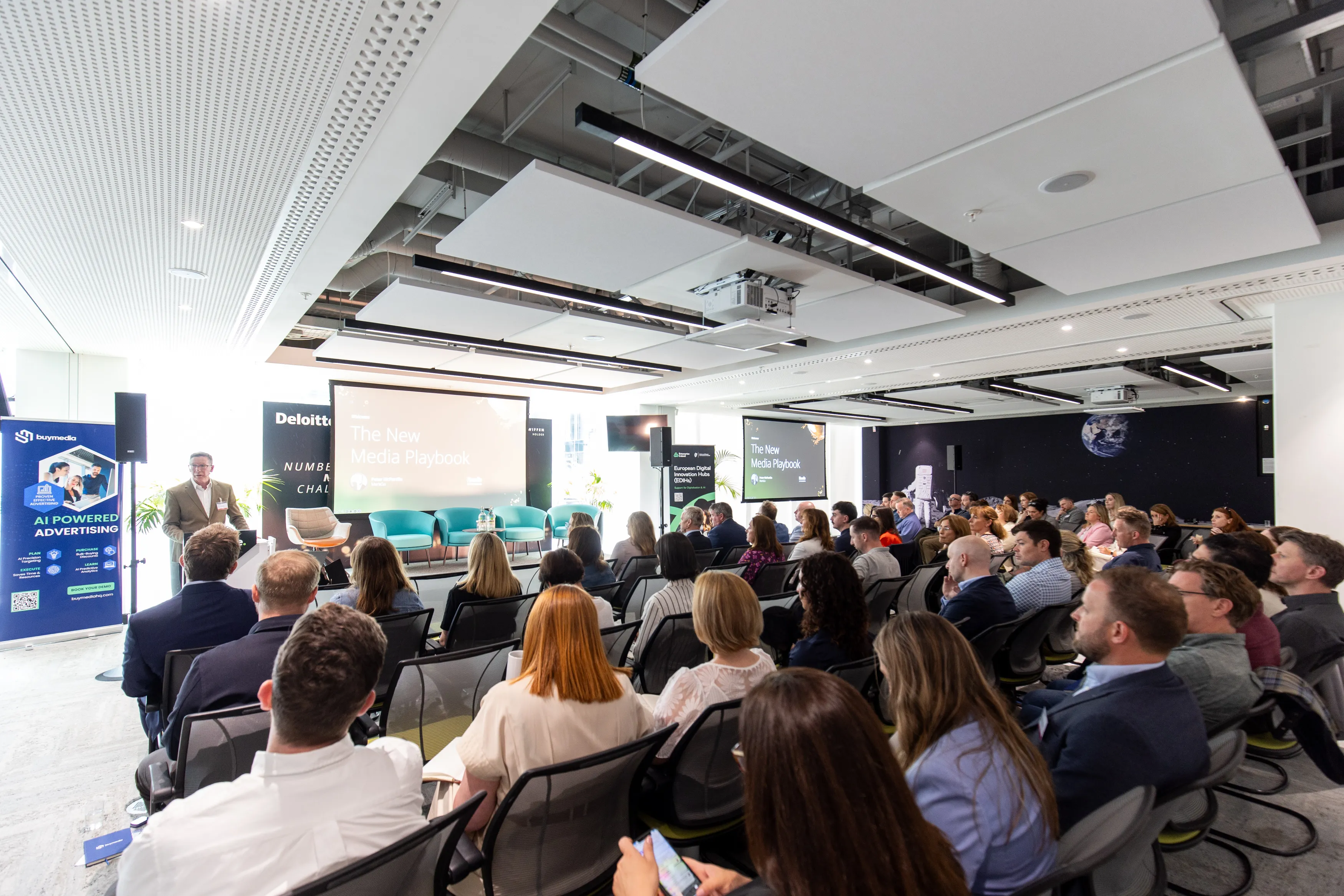
The session was chaired by Peter McPartlin, who set the tone for the discussion by highlighting the growing pressure on marketing leaders to embrace AI while continuing to deliver measurable business results.
“Every CMO in Ireland is under pressure to make a move on AI. But pressure without direction is just noise. That’s what this event is about: cutting through the noise. The tools are changing faster than the thinking,” said McPartlin.
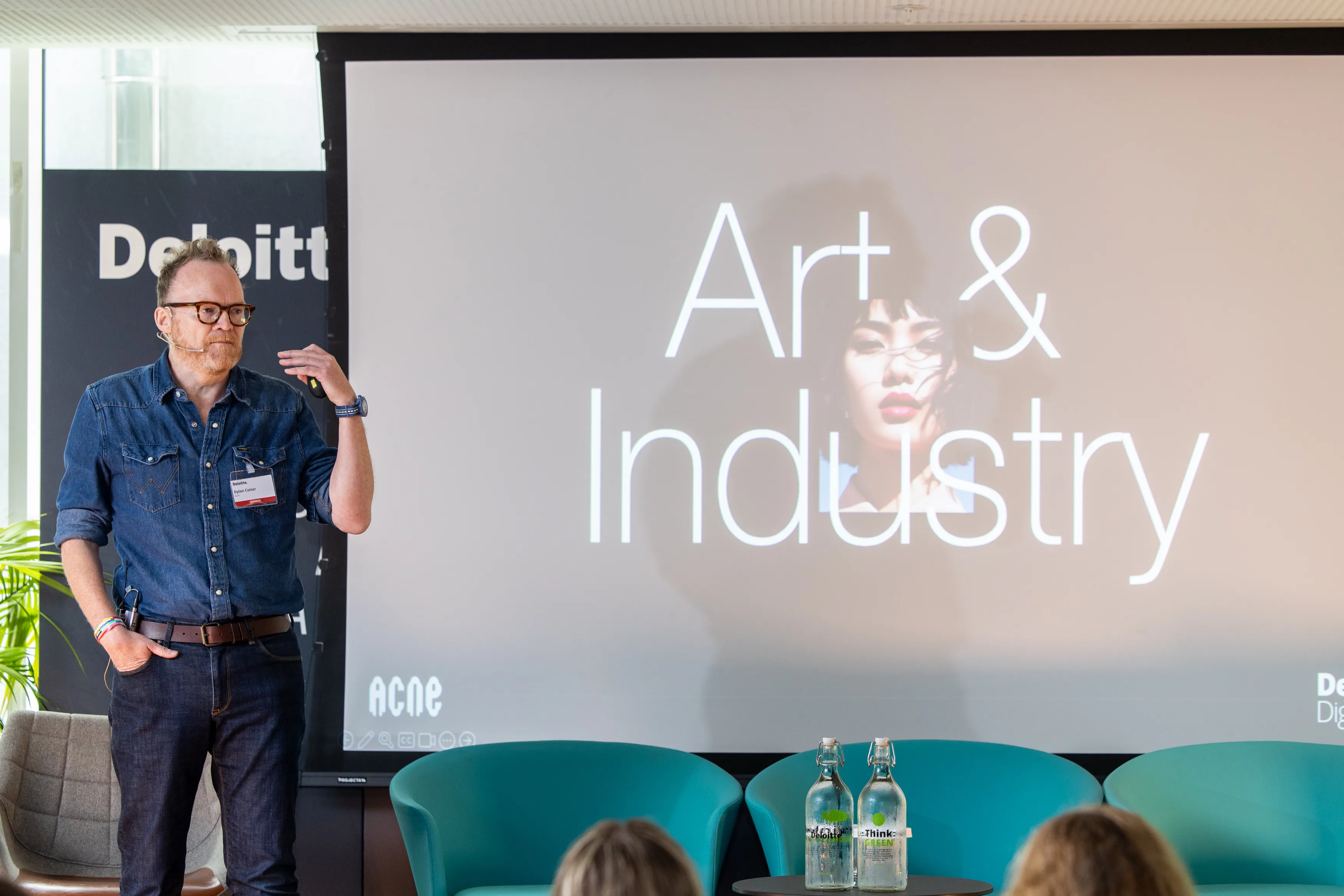
Dylan Cotter, Managing Director of Deloitte Digital and its creative agency ACNE, argued that generative AI is reducing the cost of relevance rather than simply reducing the cost of content.
His presentation explored how brands can move beyond broad campaigns and create more personalised communications for different audiences, locations and customer segments.
Cotter noted that around 60% of the imagery and film production undertaken by ACNE now involves generative AI. He suggested that organisations are moving from a scarcity mindset around content creation towards an abundance mindset, enabling greater personalisation at scale.
“Generative AI is cutting the cost of relevance, not just the cost of content,” he said.
The shift, he argued, is changing how brands structure and deliver their communications. Rather than producing a single campaign aimed at a broad audience, marketers increasingly have the ability to tailor content for specific segments, channels and customer journeys.
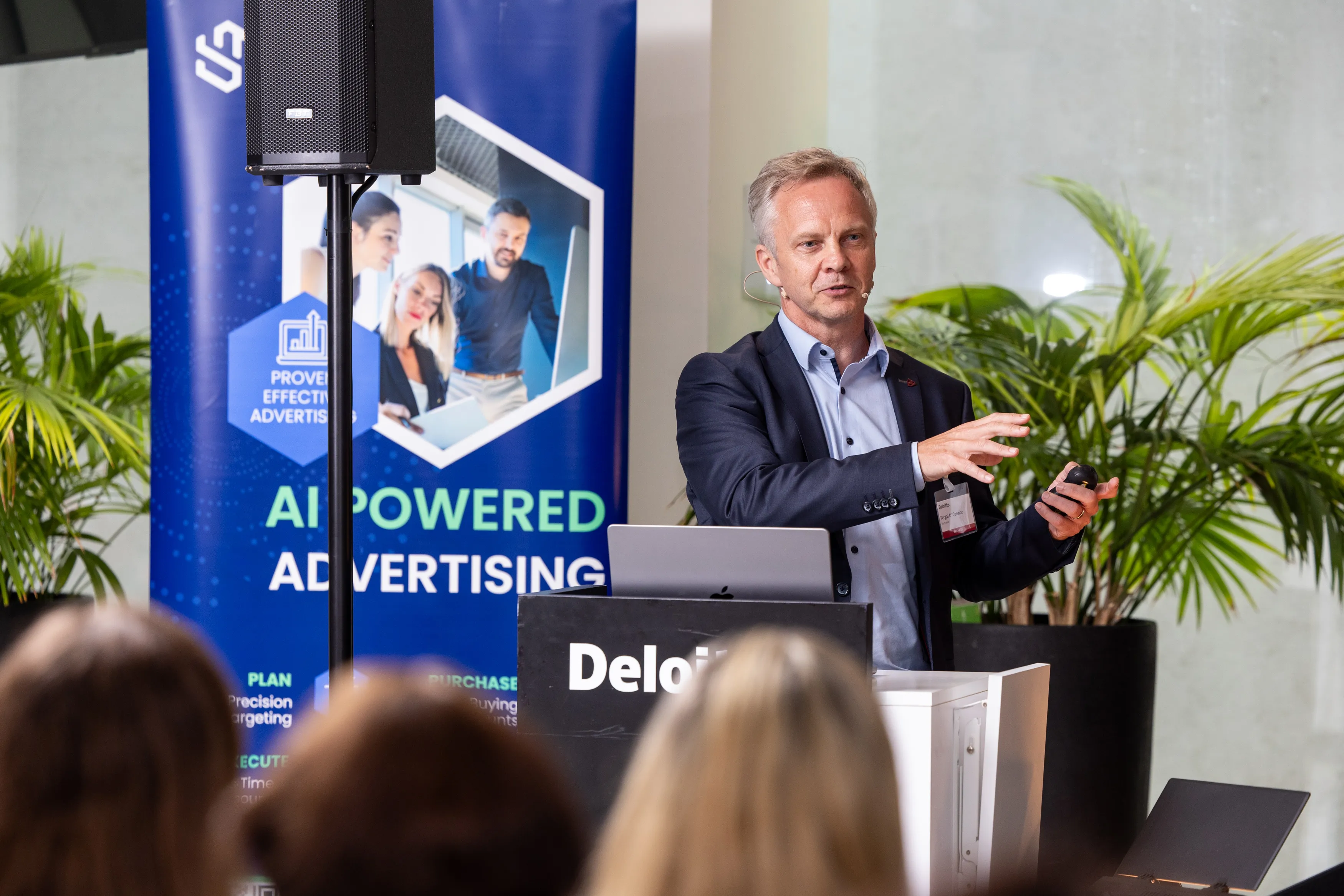
Fergal O’Connor, Founder and CEO of Buymedia, focused on the role of AI in media planning and advertising decision-making.
He argued that AI can process thousands of data points across multiple channels, helping marketers make better-informed decisions and reducing bias towards channels that are easiest to measure rather than those that may deliver the strongest results.
Much of the discussion centred on how marketing leaders can demonstrate value to CFOs and executive teams, and how AI investments can be linked to measurable business outcomes.
O’Connor suggested that the phrase “AI-powered” is becoming increasingly commonplace and that organisations need to focus on demonstrating real business value rather than simply adopting new technology.
“The marketers who win will not be the ones who adopted AI earliest, but the ones who put it to work most intelligently. For us that means powering the precision behind every media decision, while keeping human judgement in charge of the strategy,” he said.
Stephen Barnes of ENTIRE EDIH and the Walton Institute showed how extended reality is already delivering measurable outcomes, with case studies across health, tourism, hospitality and retail.
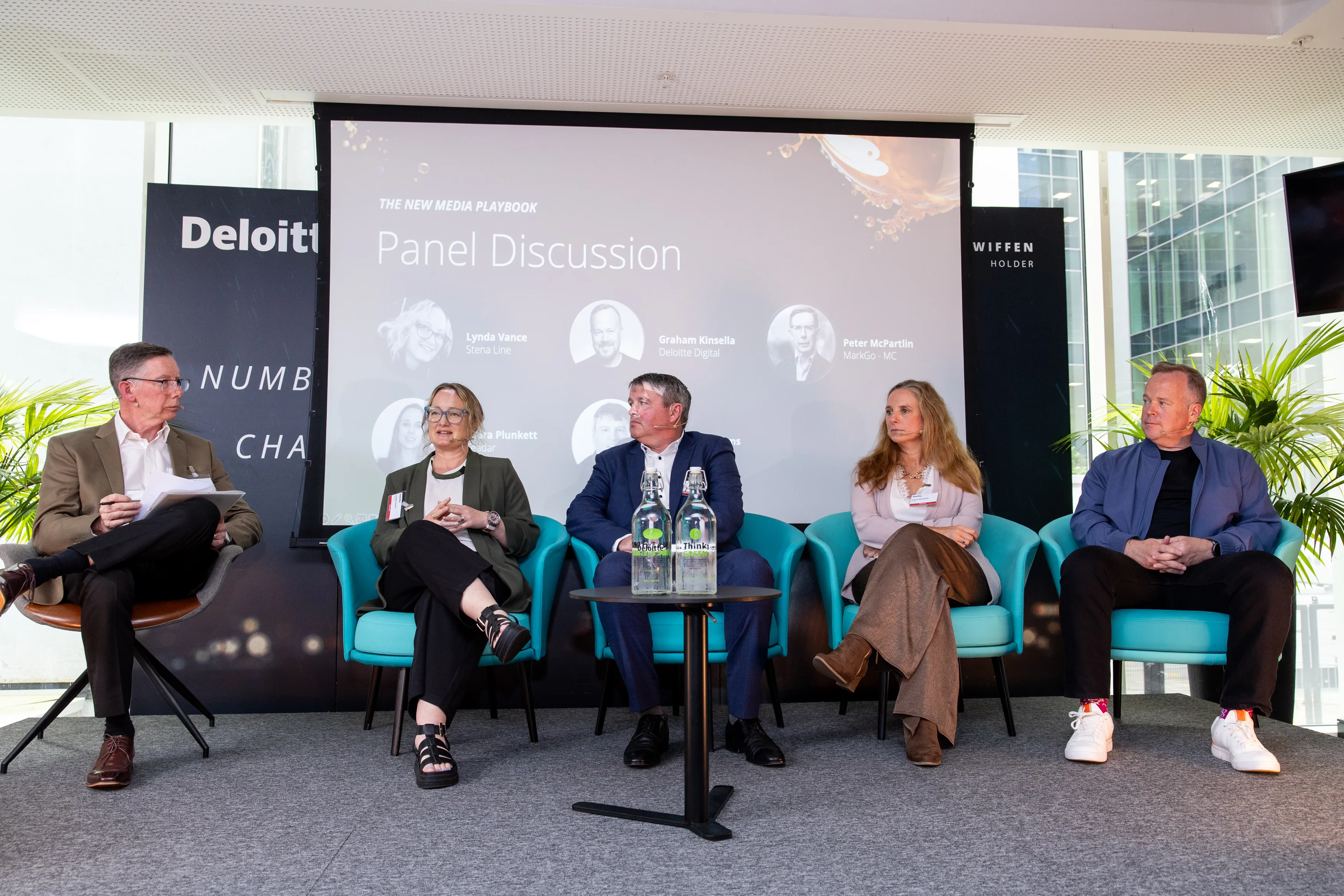
A panel of senior marketers closed the session, joined by CeADAR Ireland, the national centre for applied AI. The discussion focused on practical adoption rather than experimentation. Stephen Williams, Group Director of Sales, Marketing and IT at Windward Management, shared how the hospitality group is applying AI across media planning, customer engagement and revenue generation. Using Buymedia's AI-powered planning platform alongside other AI tools, the business has reduced digital advertising spend by 20% while increasing revenue and creating more personalised customer experiences, including automated communications tailored to guest interests and bookings.
Lynda Vance Group Creative Manager at Stena Line discussed the company's use of generative AI in partnership with ACNE to develop and adapt creative campaigns across multiple markets at scale. She highlighted how AI enabled the rapid localisation of creative assets for different audiences while stressing that expert human oversight remains essential to delivering strong marketing outcomes and business results.
Laura Plunkett from CeADAR Ireland highlighted the importance of understanding the business problem being addressed before selecting an AI solution. The panel broadly agreed that AI is best viewed as a tool to improve decision-making and efficiency rather than an objective in itself.
Human judgement, governance and oversight remained recurring themes throughout the discussion.
Watch the event highlights here.
News Coverage Links:
Irish Tech News: The New Media Playbook: Ireland's Marketers Cut Through AI Noise
AdWorld: Marketers Urged to Focus on AI Outcomes Over Adoption